
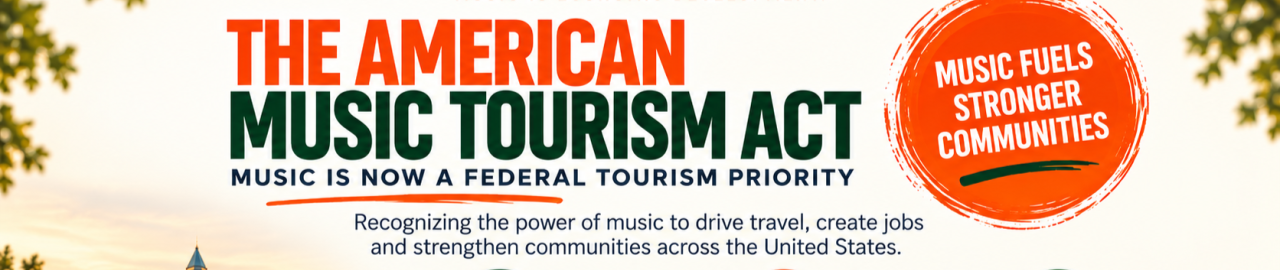
The American Music Tourism Act directs the National Travel and Tourism Office (NTTO) of the Department of Commerce to actively promote domestic and international travel to U.S. music festivals, concert venues, and historic or modern music landmarks.
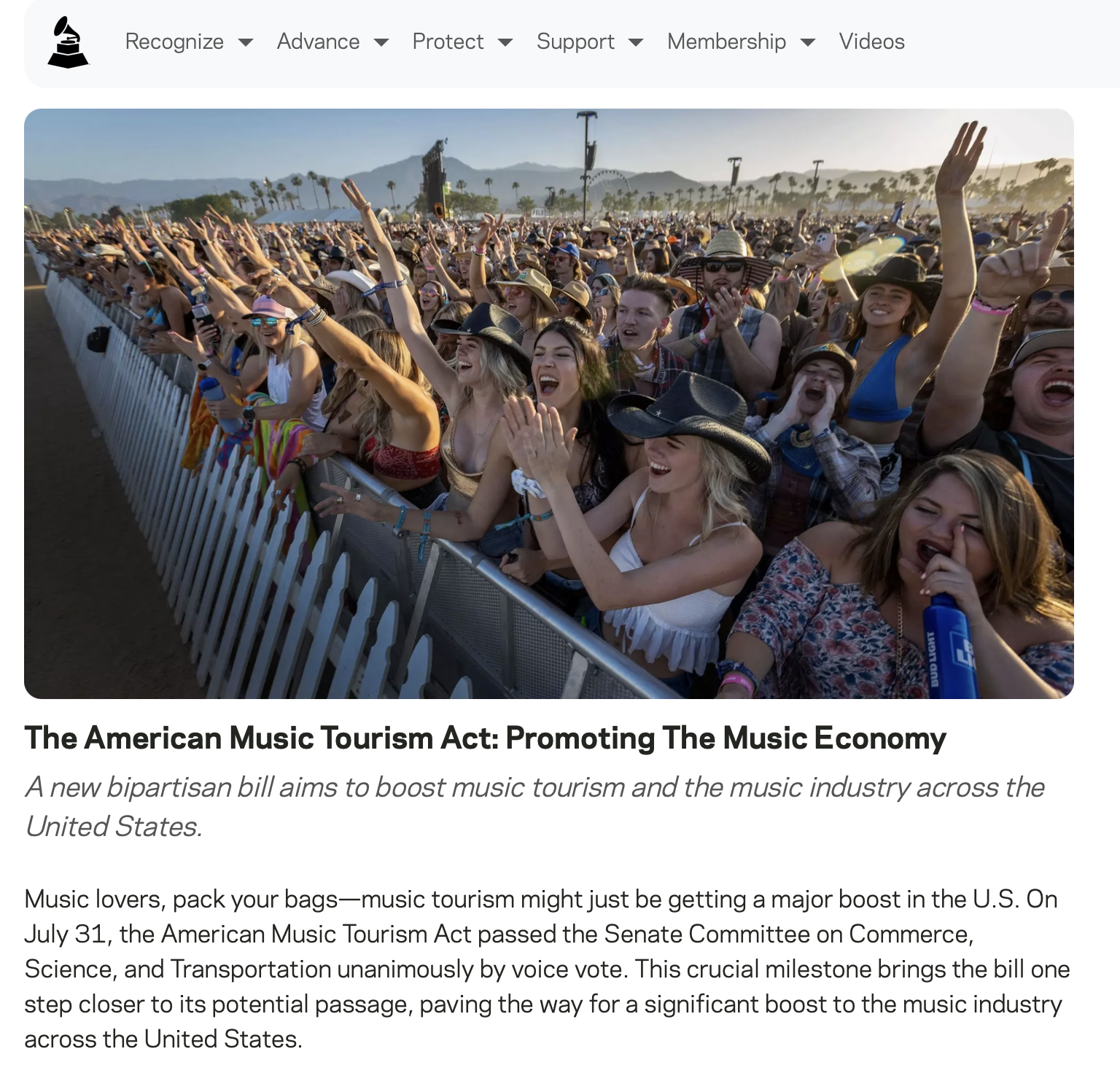
The Music Roadtrip App is perfectly aligned with the AMT Act
# Ref. American Music Tourism Act section: Section 2 overall, particularly 2(a) and 2(b)
“Make music tourism a federal priority by adding it to the Visit America Act.”
Music Roadtrip is a practical resource for turning national music tourism goals into visitor experiences.
We Work with tourism agencies and destination marketing organizations to connect music attractions with travelers.
We created the Music Roadtrip Certified Music City program to help participating cities organize and promote their music tourism offerings.
# Ref. American Music Tourism Act section: Section 2(a)(3); also 2(b) and 2(d)(3)
“Identify important U.S. music destinations and events, including historic sites and contemporary attractions.”
Music Roadtrip creates and maintains mapped profiles of music venues, museums, recording studios, historic landmarks, and other music destinations.
We partner with local tourism offices, historians, and music organizations to identify significant locations and verify their stories.
We highlight lesser-known destinations alongside nationally recognized attractions.
# Ref. American Music Tourism Act section: Section 2(a)(3)
“Promote domestic travel to these music destinations and events.”
Music Roadtrip develops themed road trips connecting destinations by genre, artist, region, or musical history.
We combine attraction profiles and local event listings to help travelers build trips around music.
We co-market participating cities through Music Roadtrip’s app, newsletter, social media, and tourism partnerships.
# Ref. American Music Tourism Act section: Section 2(b)
“Attract international visitors through federal tourism efforts coordinated with relevant agencies.”
Music Roadtrip works with U.S. tourism organizations to introduce international audiences to American music destinations.
We develop itineraries that connect gateway cities with regional music communities.
We are developing multilingual options and practical visitor information to make trips easier to plan.
# Ref. American Music Tourism Act section: Section 2(d)(3)
“Include music attractions of all sizes—museums, recording studios, venues, and other music-related sites.”
Music Roadtrip gives independent venues, small museums, and community music landmarks visibility alongside major attractions.
We help travelers discover music destinations all across a city as well as in rural communities and smaller cities
We maintain useful profiles of the destinations with location details, historical context, and links to visitor information.
# Ref. American Music Tourism Act section: Section 2(d)(3)
“Cover travel for live music, including festivals, concerts, performances, and special events.”
Music Roadtrip maintains local listings for ticketed and non-ticketed music events.
We connect local live music and events with nearby music attractions so travelers can expand a concert visit into a broader trip.
We coordinate with local bars, restaurants, venues and festivals to keep listings current and direct visitors to ticket and non-ticketed events
# Ref. American Music Tourism Act section: Section 2(c)
“Require reports to Congress within one year of enactment and every two years thereafter.”
Music Roadtrip provides participating tourism partners with aggregated app data where available, on destination interest, event discovery, and visitor engagement.
We develop voluntary traveler surveys to understand whether “music” is what influenced trip planning and destination choices.
We can execute the Bills intent by providing documented results to help federal officials drive music tourism and documents progress
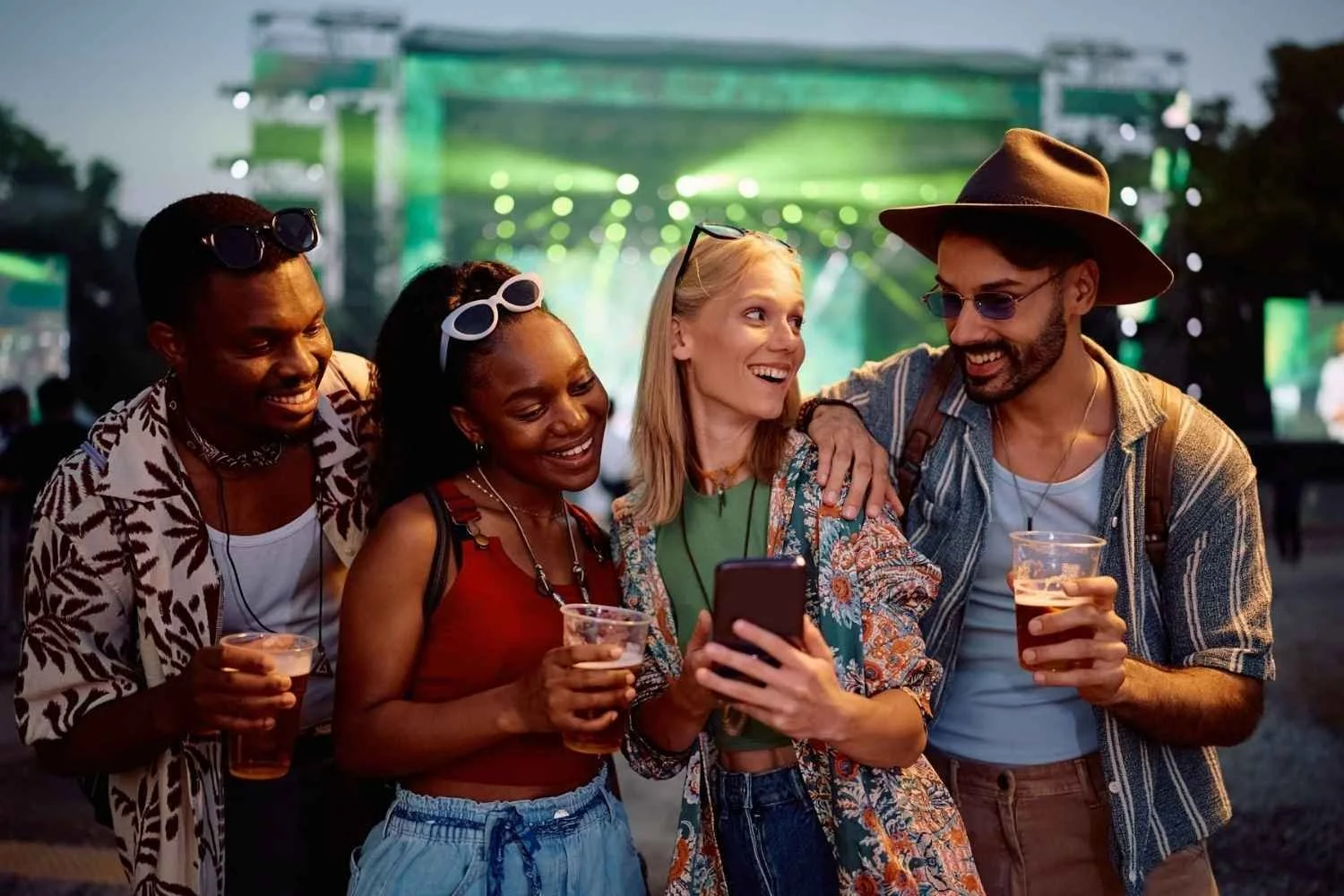
Music Tourism & Gig-Tripping
is a growing industry
The music tourism & gig-tripping market is projected to grow 4x from $100 billion in 2026 to more than $400 billion by 2032, driven by the rising demand for live music experiences that double as cultural deep-dives.
What the Heck Is “Gig-Tripping?”
Gig-tripping is a growing travel trend where people plan vacations primarily around attending a live concert or music festival, often traveling to different cities or countries to see artists perform. The destination becomes the performance itself, often bundling the concert with sightseeing, food culture, or extended vacation time. The concert is the anchor, but the trip becomes a broader cultural experience.
Market Trends
Integration of Technology with Music Travel
Emergence of Sustainable Destination Tourism
Adoption of Experiential Travel Models
Music Fans = High-Value
They stay longer
They spend more
They connect deeply with local culture
“Music Tourism Is One Of The Biggest Travel Trends”

“Tourists Interested in music seek to connect with the identity of a place through its music, history, & traditions.”

Travel for the music, stay for the destination.
“A “music city” is defined as a city that embeds music as a tool into its collective governance ethos across economic development, education, tourism, and overall quality of life. ”
Future Outlook:
Growing integration of immersive technologies such as augmented and virtual reality will redefine music event experiences and travel engagement.
Collaborations between music labels, travel agencies, and hospitality providers will enhance bundled event-tourism offerings.
Partnerships between governments and private organizers will support infrastructure development and event promotion.
Personalized travel itineraries powered by AI and data analytics will drive customer engagement and loyalty.
Identified Challenges Music Roadtrip App addresses per the AMC Act
Promote All Genres of Music
“Both nationally and internationally, music cities are recognized for its strong music scene and its role in shaping genres.”
Music Roadtrip celebrates all genres of music and provides an easy tool to help users discover all music in the region.
Music is Key to the Economy
“Music is a key local industry economic driver, but one that is in need of strengthening.”
The Music Roadtrip App connects users with Music Events and Destinations, which turns music travelers into local dollars.
Unified Approach & Brand
“There is a need for an updated, refreshed, and unified approach to the music city brand(s).”
Music Roadtrip includes all types of music destinations and events in a region, creating a one-stop shop for music travelers
Festivals, Events + Local Talent
“There is a growing desire amongst stakeholders to see contemporary artists better connect with visitors to reflect the city’s current music scene.”
Music Roadtrip highlights music happenings in all parts of the region, making it easier for tourists to discover the contemporary music scene.
More to a Music Industry than just Shows
“In addition to celebrating genre, the brand should also leverage the unique and significant aspects of the industry and those connected to it, such as the city’s AI and music tech scene.”
The Music Roadtrip App as well as the city focused Roadtrip specific App will be great examples of how your region can use AI and technology to promote music in the region.
Music Enhanced Visitor Experiences
“By further embedding music as a whole into cities brand, the music ecosystem can support tourism goals of amplifying and enhancing visitor experiences, fostering community connections, and strengthening capabilities to expand capacity.”
Music Roadtrip is a tool than can be marketed Nationally and Internationally to promote Music Tourism and help Music Travelers access Music events in advance and easily plan their trip.
Certify Your City & Become an official Music Partner
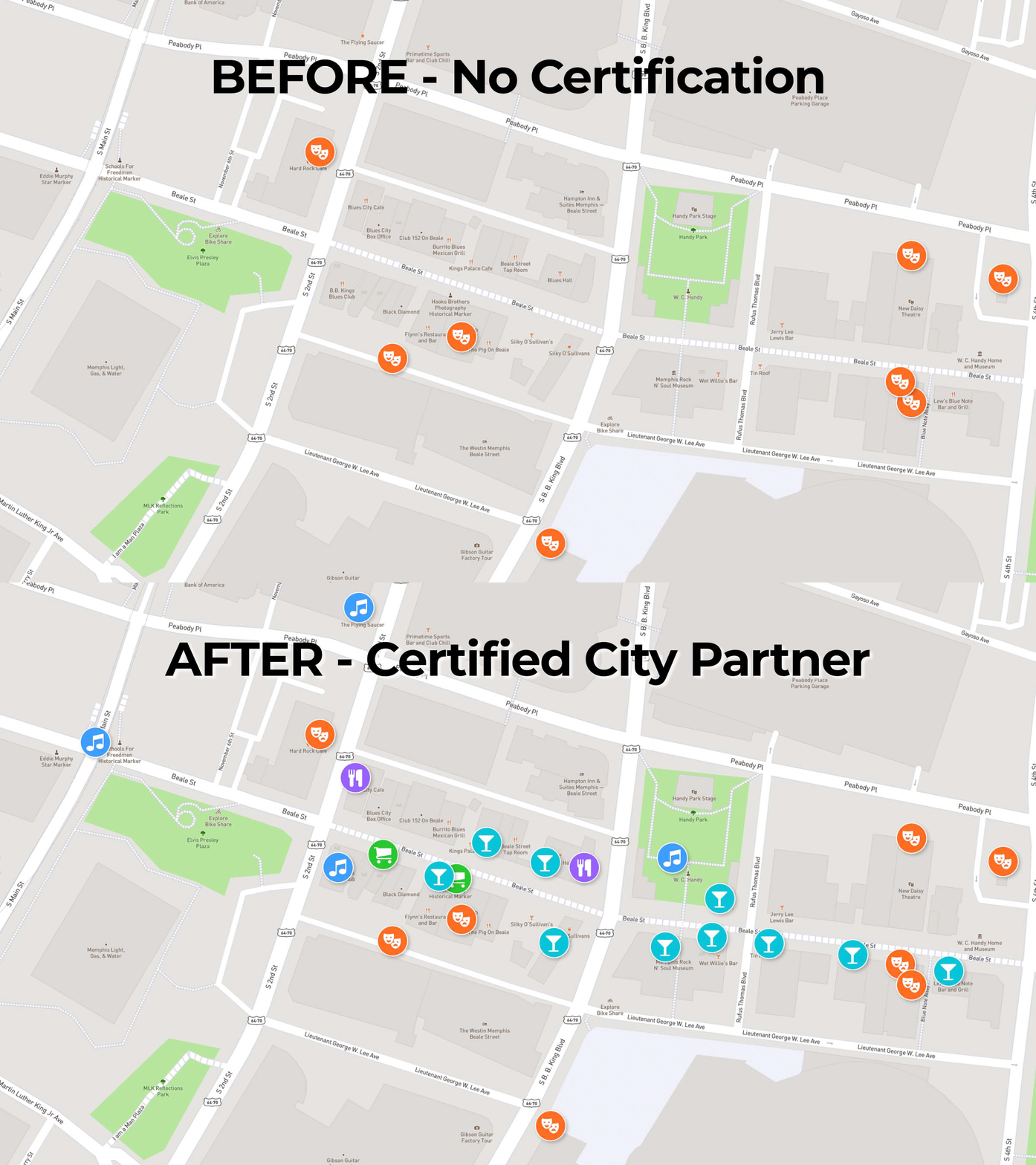
As a Certified Music City, all music related locations and music events are enriched, certified, & updated on the Music Roadtrip App.
Certified Music City
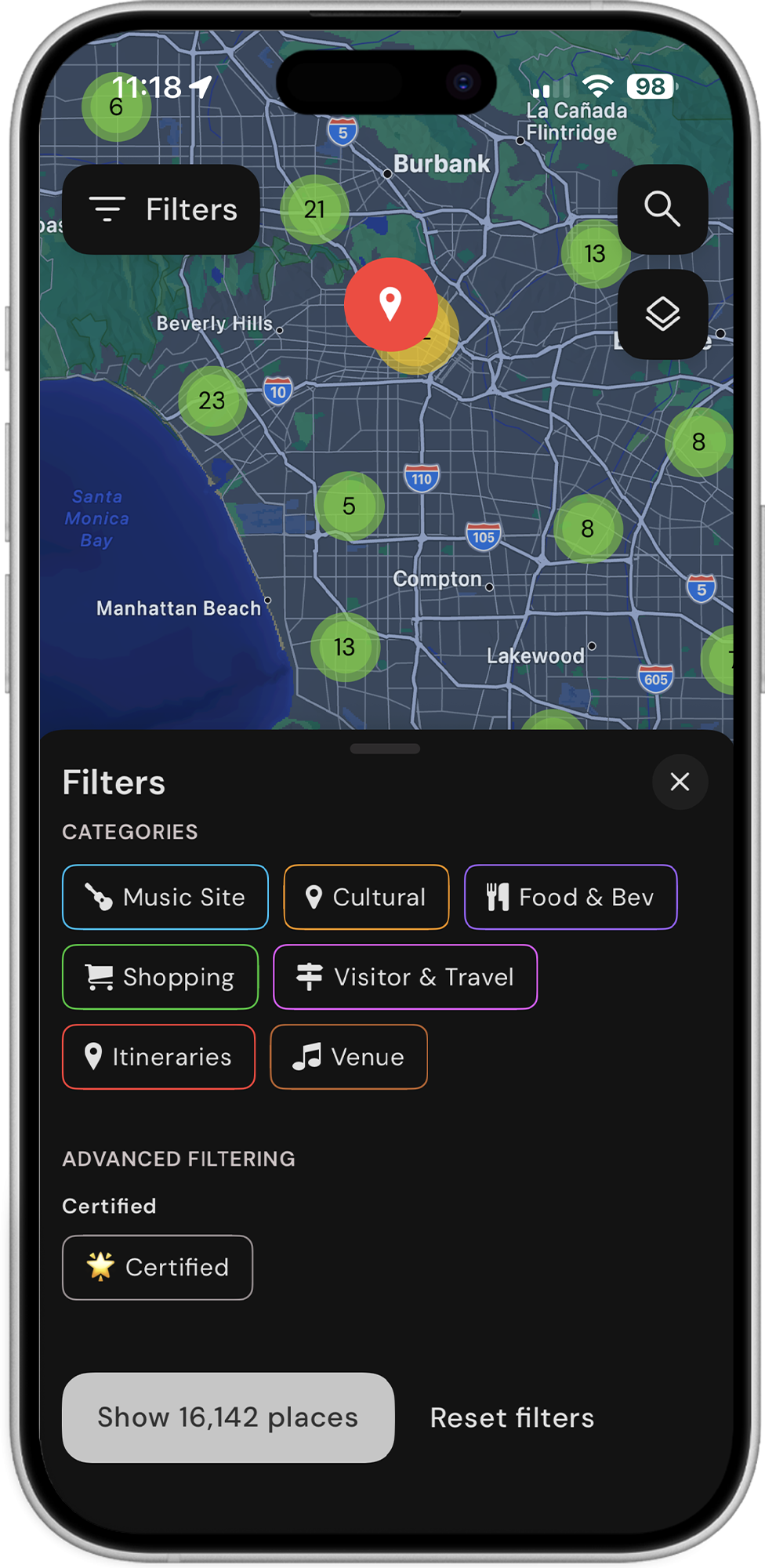
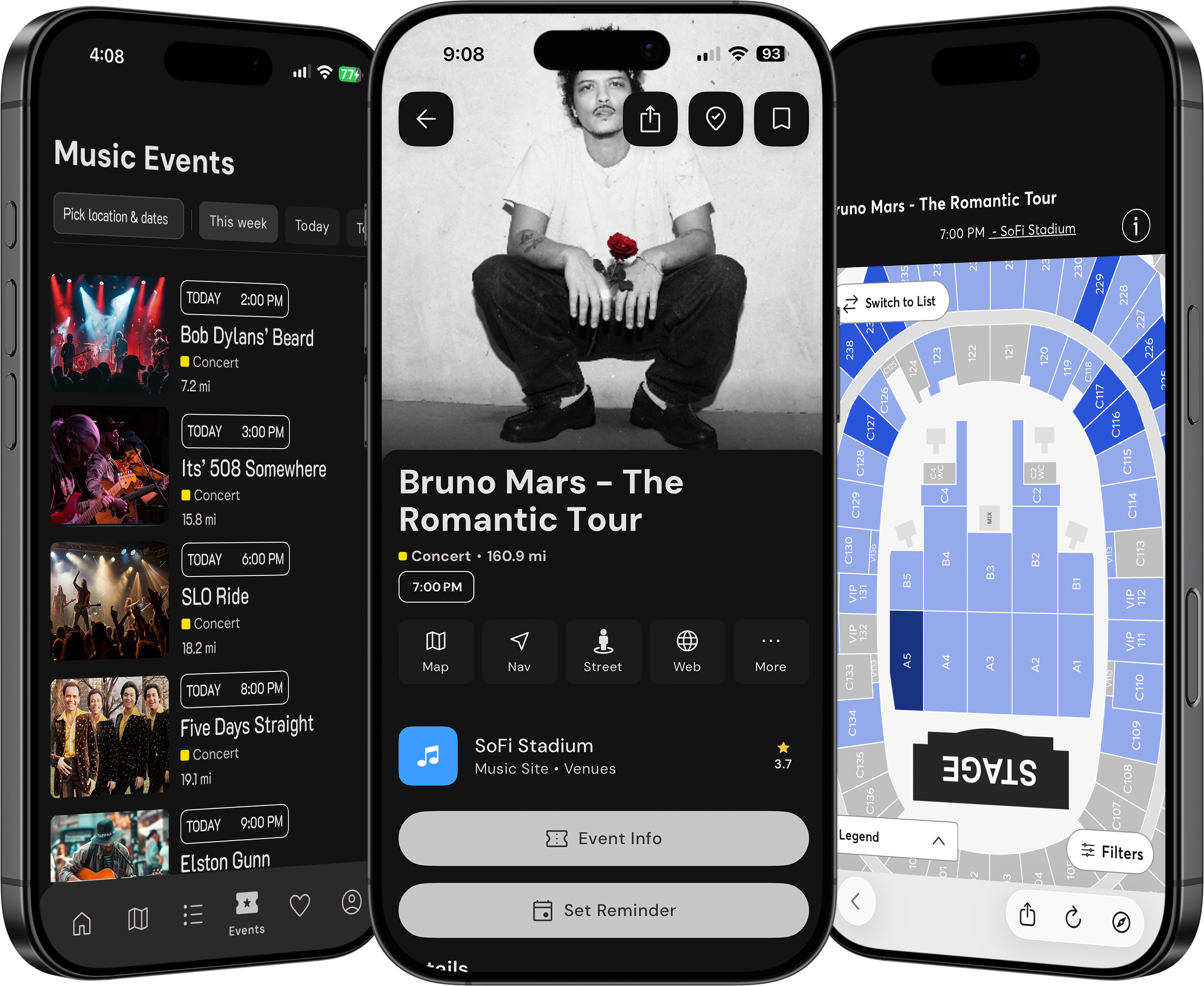
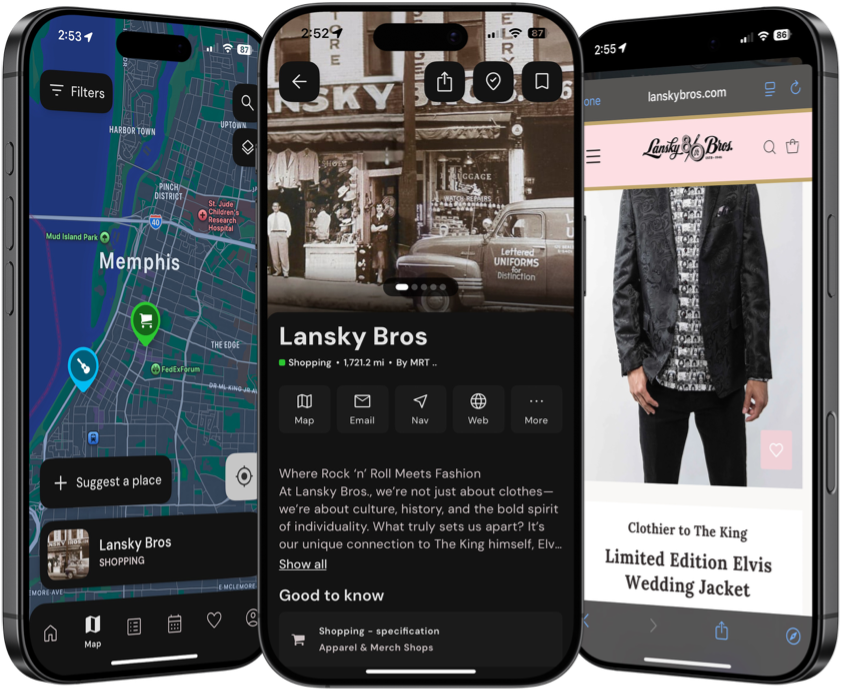
Partners receive our award-winning customer service to manage and maintain travel itineraries, musical points of interest and other related attractions including community and non-ticketed music events.
To learn more about City Certification opportunities,
please email us at certification@musicroadtrip.com or call or call 805.695.3168
Music Venues
Music Festivals
Live Music Events
City Music Tours
Retail and Dining Spots
Music Museums
Iconic Album Cover Spots
Radio Stations
Music Destination Itineraries
Statues of Iconic Musicians
Gravesites of Famous Musicians
Recording Studios
Music Historical Destinations